Coin Lamp - Slot Rules & Demo Guide | GCash
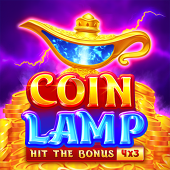
Coin Lamp is a golden-lamp slot on GCash: three lamps light the free spins round, wilds multiply connected wins, and every line pays left to right. The Coin Lamp Demo mirrors the real paytable, and gcash Coin Lamp keeps both modes under one login.
Slot games beside Coin Lamp
Same hot shelf on GCash, same wallet — tap a card to open its table.




Coin Lamp mechanics: the lamp-and-line engine
Straight answer: Coin Lamp is a fixed-line slot where lamp wilds multiply every line they touch, and three lamps anywhere open free spins. The base game pays left to right on themed symbols, while the lamp wild doubles connected wins — that single multiplier is the engine behind every big board in this game.
Nothing else hides in the rules: no pick rounds, no climbing meters. The clarity is the point — and the Coin Lamp Demo deals on the same printed table, so you can watch how often the lamps land before a single real spin on the gamezone-style lobby here.
Players who like a skill-flavored contrast between rounds often rotate into Ocean King Jackpot, where the same wallet opens an aim-driven fishing board instead of reels.
Coin Lamp features at a glance
Three features decide nearly every session outcome.
Every Coin Lamp feature reads on one screen: wild multipliers on connected lines, free spins re-triggerable during the round, and a paytable that stays visible while you spin — a format the wider gcash games shelf repeats for easy comparison.
One Coin Lamp round, stage by stage
Four stages repeat every spin: stake, spin, connect, settle. Fix the line bet, spin the reels, watch lines connect left to right, and the settled total posts instantly before the next spin.
The stages never change order, which is what makes Coin Lamp a calm session game: no feature interruptions mid-spin, no timers. The only surprise arrives with the third lamp — and the free spins it opens keep the same stage order, just with the wild multiplier doubled for the whole round. New players can watch the full flow twice in the Coin Lamp Demo before real play, and the demo sits beside the real table on gcash games shelf pages.
How to start Coin Lamp on GCash
One account, three taps: register or log in at gcash.click, fund through GCash or any listed local rail, and open Coin Lamp from the slot shelf. The lamp grid loads directly in the browser, no install needed.
Funding checks belong in the session plan too: gcash payments show limits before you confirm, so decide the deposit size before the first spin rather than mid-session. Keep the first block at minimum bet for twenty spins — that is enough to see how the lamps land without stretching the budget.
What beginners miss about Coin Lamp
The classic first-session miss is chasing the third lamp. Two lamps land often enough that new players raise bets expecting the third immediately; the free spins round in Coin Lamp triggers on its own schedule, and raised bets only shorten the session.
Second miss: skipping the Demo. Twenty Coin Lamp Demo spins show the real rhythm of lamp landings at zero cost. Third: forgetting the paytable row — betting under the top credit line quietly reduces the lamp multiplier, so confirm your bet covers the line you intend. Sessions that respect these three points last longer and read cleaner, which matters more in slots than any lucky streak. A fast question-and-answer shelf like Heat Bingo is the usual cooldown pick if the grid goes quiet.
Coin Lamp inside the GCash games ecosystem
Four relationships position Coin Lamp: it sits in the slot shelf of the gcash games library; it shares one account and wallet with every other shelf; its Demo runs on the same paytable as the real table; and its nearest arcade contrast, Crazy777, lives one shelf over with sevens instead of lamps.
The return path is just as direct: the GCash homepage lists every shelf in lobby order, so planning which game follows Coin Lamp takes seconds rather than a fresh search. One login, one wallet, one history — the same structure the whole platform keeps across slots, fishing and card tables.